
 My Account















































































Cabinet Sanding 101 the Do’s and the Don’ts
Cabinet Sanding 101 the Do’s and the Don’ts

Whether you’re crafting custom cabinetry, refinishing doors, or preparing surfaces for paint and stain, choosing the right abrasives and sanding approach makes all the difference in your finish quality and workflow efficiency.
Why Does Sanding Matter in Woodworking?
Proper sanding is more than just smoothing wood; it’s about preparing a surface that will accept finishes evenly, look professional, and stand the test of time. Whether you’re removing old finishes or refining raw wood before staining, the materials and techniques you choose shape the end result.
What are Top Abrasive Options for Sanding Cabinet Doors?
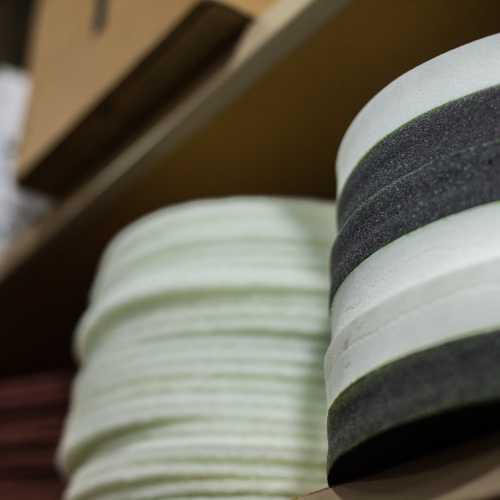
Foam Abrasive Sponges - The Game Changer
Innovations like foam abrasive sponges (such as EKASILK PLUS) have transformed sanding by blending the flexibility of hand sanding with the efficiency of machine sanding:
- Long-lasting and washable
- Flexible enough for edges, contours, and recessed profiles
- Available in multiple grit stages for a complete sanding progression
These sponges make fast work of flat panels and intricate profiles alike, dramatically reducing sanding time while improving finish quality.
Sanding Discs & Backing Pads
For machine-assisted sanding, especially on larger surfaces, quality sanding discs are essential. Look for:
- Paper-backed discs for general wood sanding
- Cloth-backed discs for heavier stock removal
- Film-backed abrasive sheets for fine finishing

Coupled with the right backing pad, discs help you achieve consistent, professional results without hand fatigue.
Matching Abrasives to Your Cabinet Type
Every door style has its own challenges:
- Flat panel doors need broader, consistent sanding surfaces
- Shaker or profiled doors demand flexible abrasives that follow contours
- MDF doors produce more dust and may require different grit choices than natural wood
Choosing the right abrasive for each style not only saves time but also protects your workpiece from scratches or swirl marks.
What Are Different Sandpaper & Grits Used For?
A Quick Guide:
Fine finishing requires the right grit sequence. A typical progression looks like:
- Coarse (40-80 grit) – removes old finishes and levels surfaces
- Medium (100-150 grit) – smooths initial scratches
- Fine to Very Fine (180-220+ grit) – prepares surface for stain/paint
- Extra-Fine (320+ grit) – ideal between coats for a glass-like finish
Starting with the right grit and progressing thoughtfully ensures a smooth surface that accepts stains and paints beautifully.
How to Match Sanders & Tools to the Job?
Selecting the right sander can also improve your workflow:
- Orbital Sanders – versatile and beginner-friendly for general surface work.

- Disc Sanders (3×4 or 5-inch) – excellent for cabinet doors and flat panels.

- Belt Sanders – aggressive stock removal for prepping rough surfaces.

Pair quality abrasives with appropriate tools to maximize efficiency and finish quality.
The 3 Most Common Sanding Mistakes (and How to Avoid Them)
Even experienced woodworkers can run into sanding issues that affect the final finish. The good news? These mistakes are easy to prevent once you know what to look for.
Here are the three most common sanding mistakes we see — and how to avoid them on your next cabinet or woodworking project:
1. Tipping the Sander While It’s Running
Tilting or lifting the sander during operation can create gouges, divots, and uneven surfaces that are difficult and time-consuming to fix. Always keep the sander flat against the surface and start or stop it while it’s fully supported.
Pro tip: Let the sander come to a complete stop before lifting it off the workpiece.
2. Applying Too Much Pressure
Pushing down on the sander might feel like it speeds things up, but it often does the opposite. Too much pressure can cause:
- Burn marks
- Uneven material removal
- Faster wear on sandpaper and pads
Quality abrasives are designed to cut efficiently on their own; excessive force just reduces their lifespan and your finish quality.
3. Oversanding the Surface
More sanding isn’t always better. Oversanding can remove too much material, leading to waves, dips, or sanding through thin veneers, especially on cabinet doors and MDF panels.
Stick to a proper grit progression and stop once the surface is smooth and consistent.
What is the Golden Rule of Sanding?
Let the sander do the work.
Use light, even pressure, maintain control, and allow your abrasives to perform as designed. This approach delivers cleaner finishes, longer abrasive life, and professional-grade results every time.
Ready to Sand Smarter?
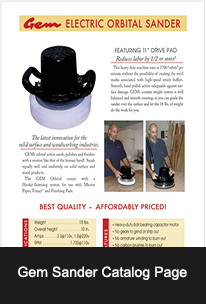
Visit our catalog for sanding solutions that save time, improve finish quality, and help take your woodworking craftsmanship to the next level.
Master Your Cabinet Finishing